Following high-intensity training sessions or exhausting work hours, your body naturally demands structural rest. How can you reclaim your peak energy fields effectively? Discover these safe, expert-backed methods to achieve fast physical recovery, ensuring your physiology remains vibrant and fully charged every single day.
What happens inside you during acute physical exhaustion?
When demanding professional routines and daily life pressures exceed your physiological thresholds, your body emits urgent biological signals due to severe physical depletion and burnout. At the opening stages, you experience deep muscular soreness, physical movements become noticeably heavy, and tension-type headaches manifest with increasing frequency.
However, systemic exhaustion does not stop at physical fatigue; it directly compromises the central nervous system. Under severe energy deficits, cerebral glucose pathways flag, inducing brain fog that fragments your attention span, slows memory retrieval, and causes your workplace performance to plummet.
More dangerously, long-term exhaustion deregulates your underlying circadian biology, causing chronic insomnia or fragmented sleep architectures where you still wake up unrefreshed. Your immune system is also suppressed due to sustained elevations in circulating cortisol, leaving your physiology highly vulnerable to minor viral infections or colds while lengthening your overall healing timelines. Mentally, this depletion triggers emotional volatility, escalating generalized anxiety, irritability, or depressive lethargy.
Scientific guidelines to accelerate fast physical recovery
To maintain long-term professional output after heavy workouts or intense overexertion, implementing a structured recovery protocol is vital. Sports medicine experts systematically leverage this 4-step scientific framework to drive fast physical recovery and reset internal cell energy:
1. Strategic fluid and electrolyte replenishment paired with optimal nutrition
Immediately following overexertion, your absolute baseline priority is replacing the fluid volume lost via sweat glands. Consume pure water packed with essential mineral ions like sodium, potassium, and magnesium to balance cellular osmotic pressures.
A landmark study titled “Fluid and electrolyte needs for preparation and recovery from training and competition” by Susan M. Shirreffs, Lawrence E. Armstrong, and Samuel N. Cheuvront (2004) demonstrated that a water loss equivalent to a mere 1% to 2% of total body weight noticeably contracts plasma volume. This circulatory stress forces your heart rate to accelerate by an additional 4 to 6 beats per minute for every 1% of body weight lost.
By prioritizing fluid and electrolyte replenishment containing adequate sodium, blood osmotic pressure is re-stabilized instantly, restoring plasma volume up to 50% faster than drinking plain water alone. Concurrently, consuming a clean snack combining fast-absorbing carbohydrates with quality protein within a 45-minute metabolic window rapidly drives post exercise glycogen resynthesis and stimulates muscle fiber repair.

2. Leveraging sequential thermal therapy to soothe muscular tissues
Thermal therapy represents an exceptional clinical approach to mitigate acute muscle pain and micro-inflammation.
- Immerse your body in cold water or an ice bath for 10 to 15 minutes to induce local vasoconstriction, reducing cellular swelling and soreness metrics instantly.
- Subsequently, transition to a hot sauna or warm compress to promote vasodilation, increasing blood circulation to flush nutrients and oxygen straight to damaged muscle fibers to accelerate healing.
3. Implementing active recovery protocols and low-impact movement
Rather than staying completely sedentary in bed, sports kinesiologists advocate for active recovery. Dedicate 10 to 15 minutes to performing dynamic or static full-body stretching routines, paired with a light outdoor walk or a low-resistance cycling session. This gentle movement keeps your cardiovascular system operating at a sub-aerobic baseline, accelerating the clearance of accumulated lactic acid and metabolic waste products out of your muscle tissues.
4. Optimizing strategic power naps to restore central nervous system power
Repairing muscular tissue is insufficient if your central nervous system remains fully burned out. Securing a high-quality 20-to-30-minute midday power nap shifts your autonomic balance toward parasympathetic dominance. This deep resting state triggers the natural release of endogenous growth hormones, calming neural hyperactivity, lowering mental strain, and restoring cognitive clarity within a condensed timeframe.
3 dangerous mistakes that prolong exhaustion and stall physical recovery
When navigating deep physical burnout, individuals frequently indulge in comfort habits that feel restorative but secretly block your natural recovery pathways, extending your sluggishness.
Prolonged physical inactivity and excessive bed rest
Remaining completely sedentary in bed all day when feeling exhausted sounds ideal, but long-term immobility restricts systemic blood circulation. This sluggish flow makes it difficult for oxygen and essential micronutrients to reach depleted muscle tissues. Instead of staying immobile, executing basic yoga stretches or a brief walk stimulates your vascular networks, releasing endorphins to speed up muscle tissue healing.
Consuming heavy, high-fat processed meals
Many individuals reward themselves after an exhausting day by consuming heavy, calorie-dense foods like fried items or processed fast food. This dietary choice forces an already weakened digestive system to work under an immense metabolic overload. Energy that should be directed toward systemic tissue healing is entirely diverted to process complex, unhealthy fats, leaving you bloated and more fatigued.
A clinical study titled “Post-exercise Muscle Glycogen Resynthesis In Humans: Effect of Dietary Fat and Carbohydrate” conducted by J. Andrew West, J. L. Ivy, et al. at the University of Texas demonstrated that when individuals consume a high-fat diet following exhaustive exertion, the rate of muscular post exercise glycogen resynthesis plummets by 30% to 50% compared to a high-carbohydrate protocol within the same restoration window. Due to this severe drop in stored cellular fuel, subsequent physical endurance thresholds drop noticeably because your muscles fail to recover in time.

Abusing central nervous system stimulants to mask physical weakness
Reaching for double-shot espressos, commercial energy drinks, or concentrated teas is a common reflexive choice to force alertness. In reality, caffeine merely tricks your neurological pathways by borrowing future energy. Once the stimulant clears, you experience a deeper energy crash, while elevating your long-term risks of insomnia and neural burnout.
Advanced intravenous micronutrient recovery: The specialist-recommended approach
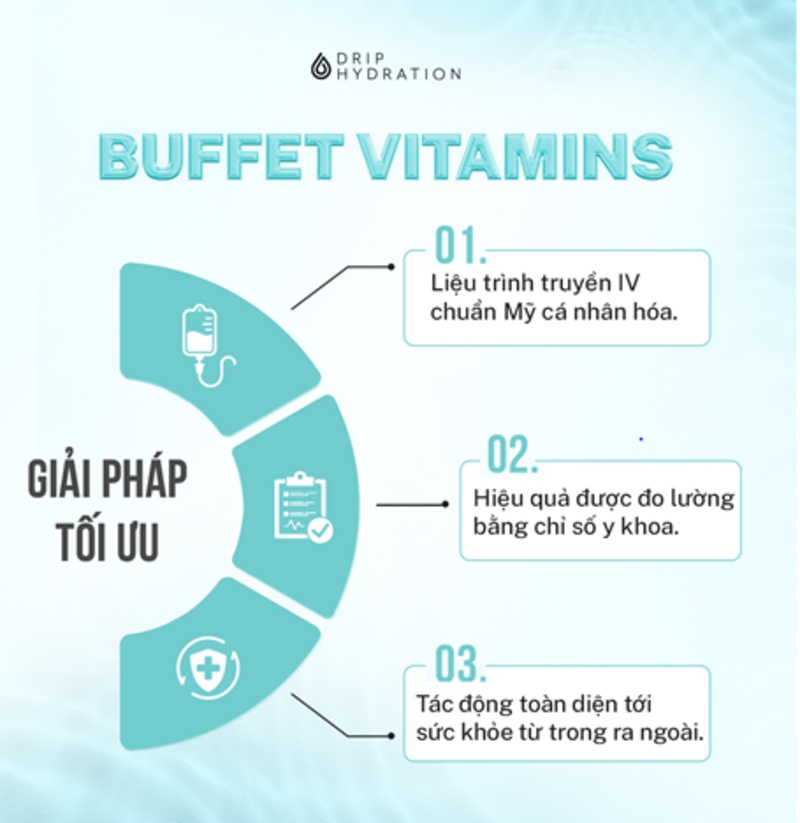
Under the intense pressures of contemporary professional workloads, erratic lifestyles and poor nutrition frequently leave cells completely drained. Persistent, long-term exhaustion compromises your immune defenses and degrades your career output. To permanently protect your vitality, modern preventative medicine utilizes advanced intravenous micronutrient therapy (IV Therapy) to bypass digestive barriers and restore depleted nutrient pools at a cellular level.
If you are recovering from recent illnesses, managing corporate burnout, or dealing with chronic sleep fragmentation, explore our targeted Energy Boost at Drip Hydration proactive clinic. Engineered under strict US medical standards, this clinical infusion therapy delivers vital cofactors straight into your circulatory system to drive fast physical recovery and maximize your energy baselines.

The core mechanism behind our rapid physical recovery protocol relies on an optimal, personalized blend of active master ingredients:
- B-complex vitamin cluster (B1, B6, B12): Acts as the master bridge driving cellular metabolism, converting nutrition into immediate cellular fuel to eliminate muscular weakness and systemic sluggishness.
- High-dose vitamin C: A potent antioxidant shield that neutralizes free radicals generated by high physical or mental stress, downregulating systemic oxidative damage and supporting adrenal function.
- Glutathione & Balanced electrolytes: Drives deep hepatic cellular detoxification, corrects subclinical dehydration, and balances electrolyte ion parameters instantly across cells to clear brain fog and alleviate body heaviness.
To explore our evidence-based, personalized wellness protocols, contact the expert medical team at Drip Hydration today via our hotline at 090.1885.088 to schedule your physician consultation. Listening to your body’s physiological warning signs and implementing safe, professional ways to optimize recovery is the ultimate path to sustain peak daily performance. Let Drip Hydration partner with you on your proactive wellness journey, rejuvenating your cellular vitality from within.
References:
- “Fluid and electrolyte needs for preparation and recovery from training and competition” – Susan M. Shirreffs, Lawrence E. Armstrong, Samuel N. Cheuvront (2004)
- “Post-exercise Muscle Glycogen Resynthesis In Humans: Effect of Dietary Fat and Carbohydrate” của J. Andrew West, J. L. Ivy,
Bài viết của: Biên tập viên Drip Hydration