Intravenous vitamin therapy is increasingly selected as a premier solution for micronutrient supplementation, energy rejuvenation, and overall health optimization. However, this clinical protocol is not universally suitable for everyone and carries inherent medical risks if improperly administered. This article clarifies what intravenous vitamin therapy is, its documented benefits, potential adverse risks, and critical clinical guidelines to consider before choosing this micro-nutritional method.
What is intravenous vitamin therapy?
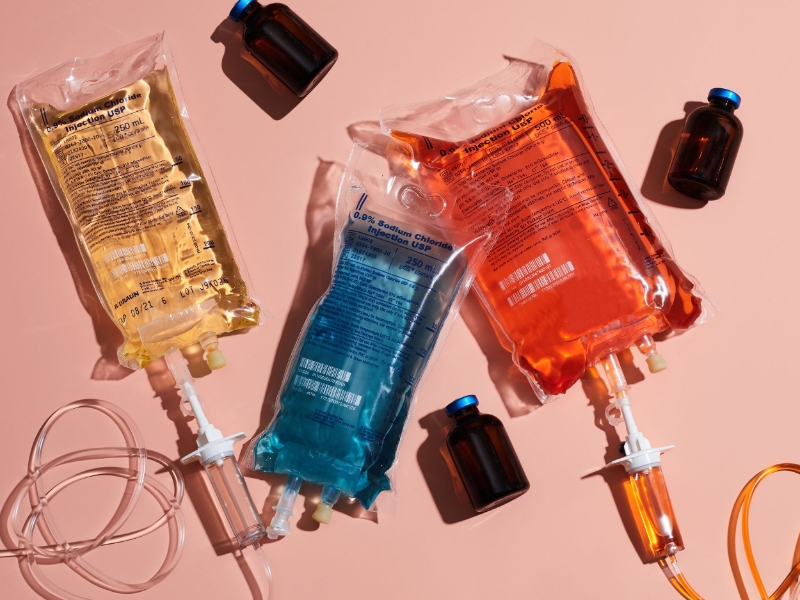
Intravenous vitamin therapy (also Intravenous Micronutrient Therapy) is a medical procedure that delivers vitamins, minerals, antioxidants, and amino acids directly into the bloodstream. The infusion solution is typically a customized cocktail tailored to an individual’s unique biological needs and metabolic health status.
Historically, this modality was pioneered by Dr. John Myers in the 1960s with his legendary “Myers’ Cocktail” formula. This foundational medical protocol features:
- B-complex vitamins (including B6 and B12)
- Vitamin C
- Magnesium
- Zinc
- Potent antioxidants like glutathione
- Specialized electrolytes and metabolic micronutrients
The physiological mechanism is straightforward: essential nutrients bypass the gastrointestinal tract entirely by entering the circulatory system directly. Consequently, the body achieves near-instantaneous, massive nutrient absorption that oral supplementation simply cannot replicate within the same timeframe.
Once in the bloodstream, these vital micronutrients are immediately transported to organs and cellular tissues, actively fueling ATP energy production, fortifying immune defenses, and stabilizing neurological functions. This superior cellular efficiency explains why many individuals choose this method when requiring targeted intravenous vitamin absorption under professional medical supervision.
Intravenous vitamin therapy versus oral supplements: Which is superior?
The medical answer depends entirely on “bioavailability” – the exact percentage of an active nutrient that enters systemic circulation to reach its intended biological target. Oral delivery is ideal for daily maintenance, whereas intravenous vitamin therapy is indicated for rapid physical rejuvenation or when gastrointestinal absorption is clinically compromised.
When you ingest an oral vitamin supplement, it undergoes a harsh, complex journey: degradation by gastric acids, enzymatic breakdown, and competitive transport absorption across the small intestine wall. Multiple physiological factors (such as intestinal inflammation, chronic stress, or drug-nutrient interactions) can drastically impair this pathway. Typically, oral micronutrient absorption rates fluctuate between a mere 10% and 50%.
The absolute superiority of intravenous vitamin therapy: Conversely, IV delivery achieves near-complete bioavailability. Bypassing the digestive tract prevents micronutrients from being altered or limited by intrinsic gastric factors. This is exceptionally critical for compounds like high-dose vitamin C or magnesium; when taken orally in massive amounts, they frequently trigger severe gastrointestinal distress or osmotic diarrhea before ever reaching therapeutic concentrations in the bloodstream.
However, IV therapy is not a universal necessity. Oral supplementation remains the preferred medical choice for long-term wellness maintenance, preventing mild micro-nutritional deficiencies, or for individuals with fully functional digestive systems.
In contrast, intravenous delivery is clinically indicated for:
- Chronic fatigue syndrome coupled with suspected intestinal malabsorption.
- Severe physical exhaustion post-illness, post-surgery, or following intense psychological stress.
- Urgent physical revitalization required within a condensed timeline.
- Maximizing cellular nutrient uptake when oral protocols fail to yield. therapeutic results
Supplementing micronutrients through the vascular pathway triggers a rapid boost in cellular energy. Thanks to high systemic blood concentrations, mitochondria – the power plants of your cells – receive raw biological fuel instantly to execute the Krebs cycle and electron transport chain. This direct pathway yields an immediate surge in physical stamina and cognitive alertness, allowing patients to recover far faster than waiting weeks or months for standard oral nutrient accumulation.
Ultimately, while oral vitamins hold a permanent place in daily preventative health, intravenous vitamin therapy serves as a powerful medical intervention when the body requires immediate cellular restoration or presents acute nutritional deficits.

5 severe risks of receiving vitamin infusions at substandard facilities
Although intravenous vitamin therapy is widely utilized across modern medical practices, undergoing this procedure at unlicensed or uncertified wellness lounges poses critical health risks.
1. Acute infectious risks
If strict aseptic protocols are neglected, pathogenic bacteria can enter the vascular system directly through the cannulation site. Potential medical complications include:
- Localized insertion site inflammation
- Severe phlebitis (vein inflammation)
- Life-threatening septicemia (blood poisoning) in extreme clinical scenarios
2. Allergic reactions and systemic hypersensitivity
Certain individuals exhibit acute hypersensitivity reactions to specific stabilizers or preservatives within the infusion solution. Clinical manifestations include:
- Severe pruritus (itching) and urticaria (hives).
- Acute nausea and emesis.
- Dyspnea (shortness of breath) or anaphylaxis.
Consequently, a rigorous pre-infusion allergy history assessment and continuous medical monitoring during the procedure are mandatory safety requirements.
3. Improper micronutrient dosing
Nutritional requirements are highly individualized; there is no safe “one-size-fits-all” dose. Insufficient dosing yields zero therapeutic benefits. Conversely, an excessive micronutrient overload poses severe clinical toxicity risks, particularly for patients with underlying hepatic, renal, or metabolic disorders. Accurately matching the formula dosage to an individual’s specific blood metrics and physical status is the only way to ensure clinical safety and optimal efficacy.

4. Infusion-related systemic complications
Administering an IV fluid bolus too rapidly or utilizing a formula mismatched to the patient’s hemodynamic status can trigger:
- Anaphylactic shock
- Circulatory overload (fluid overload)
- Acute peripheral or pulmonary edema
- Severe electrolyte imbalances
These critical risks require extra vigilance when treating elderly patients or individuals with pre-existing cardiovascular conditions.
5. Overlooking underlying medical diagnoses
Many individuals seek out recreational IV detoxins to treat chronic, unexplained exhaustion. However, persistent fatigue is frequently a clinical symptom of deeper medical pathologies, including:
- Chronic anemia.
- Thyroid dysfunction (hypothyroidism).
- Undiagnosed diabetes mellitus.
- Severe sleep architecture disorders.
- Clinical depression.
Relying solely on vitamin infusions without identifying the root cause delays essential medical diagnoses, allowing hidden diseases to progress to advanced stages.
Why choose US-standard intravenous vitamin therapy at Drip Hydration?
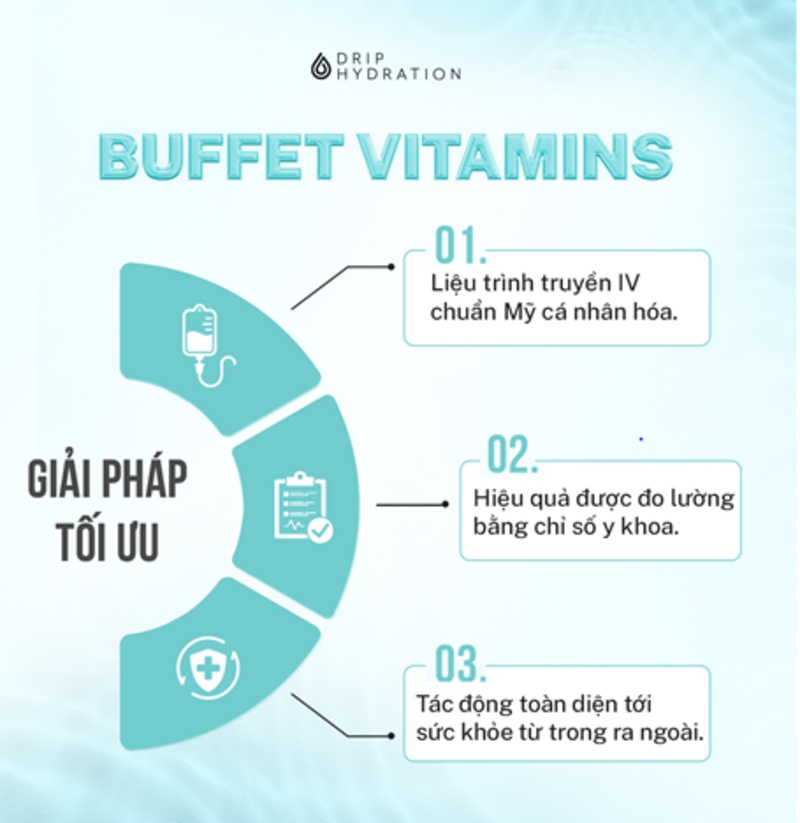
The safety and efficacy of intravenous vitamin therapy extend far beyond the fluid formula itself; it requires a standardized clinical environment encompassing pre-infusion health screenings, objective medical assessments, and continuous physician monitoring. Selecting an accredited medical clinic is paramount to safeguard your health.
Drip Hydration is an established international healthcare brand delivering IV therapy protocols under strict US clinical standards across major global cities. At Drip Hydration, clients experience exceptional medical care:
- Completely personalized phacotherapy: Every infusion regimen is uniquely engineered based on your medical history, laboratory biomarkers, and specific physical optimization goals.
- Licensed medical staff: Your initial clinical consultation, laboratory interpretation, and IV administration are executed and monitored by highly experienced physicians and certified medical practitioners.
- A diverse IV therapy ecosystem for targeted medical goals: Featuring over 24 clinically validated formulas that are flexibly adapted to distinct wellness needs, ranging from cognitive enhancement and hormonal balance to immune fortification, metabolic revitalization, advanced skincare, and long-term systemic longevity such as: Immune Boost, Hangover, Myers’ Cocktail, ect.
- Continuous mid-therapy clinical evaluations: Patient vitals and physiological responses are systematically tracked throughout the treatment course, enabling real-time protocol adjustments for maximum safety and efficacy.
- Exclusive medical club benefits: Our Member Drip Club programs provide seamless, structured medical follow-ups to facilitate sustainable, long-term preventative health management.
- Premium Meditel clinical experience: Seamless appointment scheduling, minimal wait times, and dedicated medical support teams follow you throughout your journey, delivering an elite, integrated clinical experience under Drip Hydration’s proprietary Meditel model.
Every therapeutic protocol at Drip Hydration is strictly standardized, fully compliant with prevailing healthcare regulations, and structurally personalized to deliver optimal preventative wellness.

Contact the Drip Hydration medical team today via our hotline at 0901 885 088 to schedule your comprehensive physician consultation and discover the ideal micronutrient protocol for your health status.
Frequently asked questions regarding intravenous vitamin therapy
What is the cost of a full IV vitamin protocol, and how quickly do visible results manifest?
The pricing of an intravenous vitamin therapy course varies based on the specific micronutrient ingredients, clinical dosages, and underlying laboratory technologies utilized. Typically, a single specialized infusion session ranges from a few million VND upward, depending on formula complexity.
Regarding onset of efficacy, the vast majority of clients report a substantial surge in physical energy and mental clarity within 30 to 60 minutes post-infusion. However, achieving systemic aesthetic skin improvements or reversing chronic, long-term metabolic markers requires a structured protocol of 3 to 5 medical sessions as prescribed by your attending physician.
Should individuals suffering from chronic fatigue, severe insomnia, or recovering from recent acute illnesses undergo vitamin infusions?
This specific demographic stands to gain the most immediate clinical benefits from targeted IV therapy. During chronic sleep deprivation or post-illness recovery, the body rapidly depletes its cellular reserves of magnesium and essential B-complex vitamins. Delivering these nutrients via the vascular pathway rapidly restabilizes the autonomic nervous system, lowers circulating cortisol (the primary stress hormone), and optimizes sleep architecture.
For post-illness patients experiencing severe anorexia, the digestive tract absorbs nutrients too slowly to facilitate recovery; thus, IV therapy serves as an immediate energy lifeline to restore baseline physical performance.
Is intravenous vitamin therapy an effective choice for rapid detoxification and sobering up?
Yes, intravenous delivery is a highly effective clinical modality for rapid detoxification, particularly following heavy alcohol consumption or severe environmental toxin exposure. Our specialized recovery infusions combine glutathione – the body’s master antioxidant – with targeted amino acids to dramatically accelerate hepatic toxin metabolism. Concurrently, rapid IV fluid and electrolyte replenishment alleviates acute dehydration headaches and nausea, restoring mental alertness within an optimized timeframe.
In summary, intravenous vitamin therapy (IV Therapy) is a premier clinical tool to accelerate physical recovery and enhance cellular metabolism when properly indicated. To guarantee absolute safety, your therapy must be conducted at a licensed, reputable medical facility following a comprehensive evaluation by a qualified healthcare professional.
Bài viết của: Biên tập viên Drip Hydration