Chronic fatigue is not merely a tired feeling from a lack of sleep or overworking; it is a critical warning sign of physical and mental health dysregulation. This condition can be accompanied by prolonged stress, sleep disturbances, emotional instability, and a decline in concentration if not addressed in a timely manner.
What is chronic fatigue?
Chronic fatigue is a condition where the body constantly feels sluggish and depleted of energy despite resting, getting sufficient sleep, or not engaging in overwork. This feeling of exhaustion persists continuously for days or even weeks, making it difficult for the body to recover its normal physical stamina.
Unlike ordinary tiredness, chronic fatigue is frequently accompanied by mental decline, difficulty focusing, irritability, and a noticeable impact on daily routines and work performance. If not addressed early, this condition can be a clear sign of prolonged stress or underlying medical issues.

How does chronic fatigue differ from tiredness caused by sleep deprivation or overworking?
Fatigue is a widespread issue, but it does not always stem from a lack of sleep or overworking. Distinguishing chronic fatigue from ordinary tiredness helps identify the correct underlying causes and appropriate management steps.
| Criterion | Chronic fatigue | Tiredness from sleep deprivation / overworking |
| Duration | Persists for weeks or months | Typically short-term, emerging after a few days of poor sleep or high workload |
| Primary cause | May relate to underlying illnesses, endocrine disorders, psychological factors (stress, depression), or micronutrient deficiencies | Caused by insufficient sleep, overworking, or an erratic daily routine |
| Recovery level | Shows minimal or no improvement despite resting | Improves significantly after catching up on sleep or resting |
| Daily impact | Long-term disruption to work, education, and quality of life | Temporary disruption that is easily managed |
| Accompanying symptoms | May include headaches, poor focus, memory decline, and a sluggish mood | Primarily presents as sleepiness, muscle fatigue, and low energy |
| Management | Requires tracking, lifestyle adjustments, and potentially a medical evaluation | Requires rest, sufficient sleep, and adjusting working hours |
Common symptoms of chronic fatigue
Chronic fatigue is not just a physical sensation of exhaustion; it also heavily impairs sleep architecture, mental state, and emotional well-being. These manifestations typically present concurrently, develop slowly, and can be difficult for patients to recognize if they do not pay close attention.
Sleep disturbances
Individuals suffering from chronic fatigue often experience difficulty falling asleep, restless sleep, waking up frequently during the night, or sleeping for long hours yet still waking up feeling completely unrefreshed, which leads to greater exhaustion the following day.
Prolonged stress
Feelings of constant tension and pressure emerge frequently, even in the absence of clear stress triggers. This state prevents the body from relaxing, keeps the mind in a constantly exhausted state, and easily leads to anxiety and negative thought patterns.
According to a 2025 study titled “The chain mediating effect of fatigue, anxiety symptoms on the relationship between perceived stress and insomnia among Chinese researchers” published in Springer Nature, 68.7% of participants reported fatigue and 36.9% experienced poor sleep, with 75.8% sleeping less than 7 hours per night, demonstrating that long-term stress is clearly correlated with sleep disorders and chronic fatigue.
Poor mental clarity
The capacity to concentrate and retain memory declines, accompanied by sluggish thinking and difficulty making decisions. Patients frequently feel like they are in a “brain fog,” becoming less productive and quickly exhausted when required to focus for extended periods.
Emotional instability
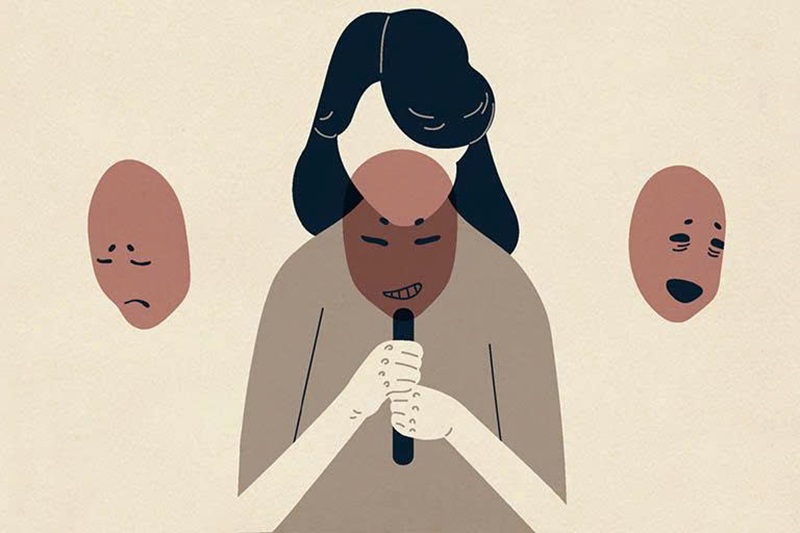
Mood patterns become erratic, causing individuals to become easily irritable, sad, or discouraged without a clear reason. Many people also experience a gradual loss of interest in their work and hobbies, severely lowering their quality of life.
What causes chronic fatigue?
Chronic fatigue usually stems from an imbalance between rest, daily habits, and psychological pressure. Prolonged stress, sleep disorders, nutrient-deficient diets, or working excessively over a long period prevents the body from replenishing its energy reserves in time.
Additionally, chronic fatigue can be closely linked to endocrine disorders. The thyroid and adrenal glands help regulate systemic energy and stress responses; during hypothyroidism, a sluggish metabolism leaves the body exhausted and reduces concentration. Meanwhile, cortisol dysregulation caused by chronic stress can disrupt sleep patterns, alter blood sugar levels, and trigger burnout.
Furthermore, deficiencies in iron, vitamin B12, vitamin D, or chronic illnesses such as diabetes and cardiovascular diseases can reduce red blood cell production and cellular energy output, leading to chronic fatigue. If rest and lifestyle modifications fail to bring improvement, individuals should undergo clinical evaluations and laboratory tests to find the exact cause
What should be done to improve chronic fatigue?
Chronic fatigue is difficult to improve without making proper adjustments to daily routines and lifestyle habits. Implementing the measures below will help the body step-by-step restore its energy and enhance comprehensive health.
Adjusting sleep schedules properly
Secure 7 – 8 hours of sleep daily, maintain a fixed bedtime and waking schedule, and limit electronic device utilization prior to sleeping to enhance overall sleep architecture. According to a 2025 study titled “Electronic screen use and sleep duration and timing in adults” published in JAMA Network, research on over 122,000 adults demonstrated that using screens within 1 hour before bedtime was linked to 7.64 minutes of reduced sleep per night and a 33% higher likelihood of poor sleep quality compared to avoiding device use before sleep.
Reducing stress and balancing your mind
Dedicate time to relaxation, practice deep breathing, meditation, or yoga, and engage in activities that release pressure to avoid letting stress accumulate long-term.
Structuring a nutrient-dense diet
Increase consumption of foods rich in protein, essential vitamins, and minerals; limit fast food, alcohol, and stimulants to provide the body with adequate fuel for recovery.
Engaging in regular, gentle movement
Maintain a daily habit of walking or light exercise to boost blood circulation, elevate mood, and reduce sluggish sensations.
Organizing workload and rest periods
Avoid overworking, break down large tasks, and take short breaks between working intervals to prevent the body from becoming completely overwhelmed.
Seeking medical evaluation when chronic fatigue fails to improve
If the fatigue continues to persist despite making lifestyle changes, you should visit a healthcare provider to check for underlying medical issues and receive an appropriate treatment plan.
Targeted micronutrient supplementation
To overcome chronic fatigue, the initial essential step is to modify your daily routine: secure adequate, timely sleep, reduce psychological pressure, maintain gentle physical activity, and follow a balanced diet rich in clean proteins, dietary fiber, and healthy fats. These lifestyle habits help stabilize circadian rhythms, support hormonal balance, and optimize systemic energy metabolism.
Pay close attention to supplementing essential micronutrients such as iron, B-complex vitamins (especially B12), vitamin D, and magnesium, as they participate directly in blood cell production, neurotransmission, and the generation of ATP – the vital fuel for your cells. Ensuring an adequate intake of these micronutrients enhances the body’s energy-creation capacity and minimizes sluggishness; if symptoms remain prolonged, seeking a medical consultation to evaluate essential endocrine and metabolic markers is highly recommended.

Frequently asked questions about chronic fatigue
What causes chronic fatigue with no clear reason?
This condition can be linked to prolonged stress, sleep disorders, nutritional deficiencies, or endocrine imbalances. Many cases do not present with obvious localized symptoms, making them easy to overlook without careful monitoring of daily habits.
What should I do if I feel constantly exhausted, sluggish, and sleepy?
You should restructure your sleep schedule, secure proper rest, eat a nutrient-dense diet, and practice light daily exercise. If the sleepiness and sluggishness persist despite adequate rest, consider a clinical evaluation to locate the underlying cause.
Is it worrisome if I feel fatigued but medical exams show no illness?
Even if a specific medical disease is not detected, chronic fatigue can still indicate physical burnout or severe psychological stress. Modifying your lifestyle and undergoing routine wellness assessments are highly necessary steps.
Why do I always feel tired inside?
A continuous sensation of tiredness usually happens because the body fails to fully replenish its energy reserves, heavily driven by long-term stress, sleep deprivation, or sub-optimal daily habits.
What should I drink when feeling exhausted, sluggish, and sleepy?
You can ensure optimal hydration by drinking plenty of water, fresh fruit juices, and essential vitamins or minerals tailored under professional medical guidance. Avoid relying heavily on coffee or energy drinks, as they can worsen systemic fatigue over the long term.
Chronic fatigue is a condition that should never be underestimated, as it directly impairs your health, mental state, and overall quality of life. Identifying the warning signs early, making proper lifestyle adjustments, and proactively seeking a medical consultation when necessary will help the body restore its energy reserves and sustain long-term wellness.
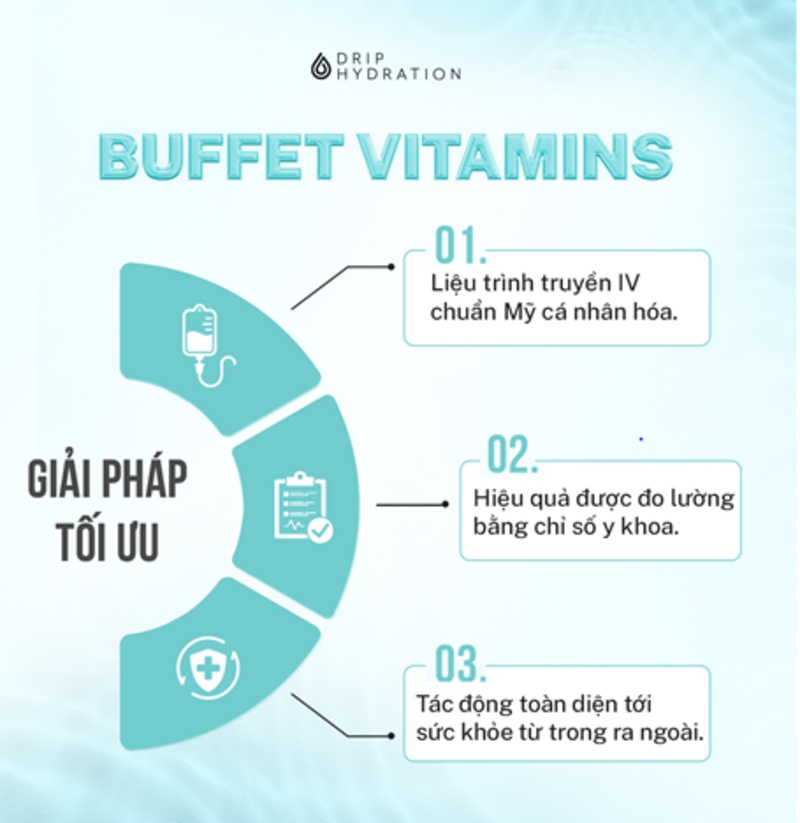
Don’t let chronic fatigue hold you back. Experience The Energy Boost by Drip Hydration and support your body’s natural energy production from within. Call 0901885088 to book your personalized consultation.
References
- https://link.springer.com/article/10.1186/s12889-025-24800-y
- https://jamanetwork.com/journals/jamanetworkopen/fullarticle/2831993
Bài viết của: Biên tập viên Drip Hydration