Amid the potential resurgence of the Nipah virus in several Asian nations, the Ministry of Health of Vietnam has issued an urgent health advisory. The directive calls for intensified disease surveillance at border checkpoints, healthcare facilities, and within local communities. To prevent the transmission of this high-risk pathogen, the public is strictly advised against consuming fruits showing signs of being bitten or gnawed on by bats or birds.
India Reports New Nipah Cases, Prompting Multi-Nation High Alerts
On the morning of January 27, the Ministry of Health announced it is closely tracking the Nipah virus situation following suspected cases reported in the state of West Bengal, India. According to international infectious disease surveillance networks, between December 27, 2025, and January 26, 2026, India documented 5 suspected cases of Nipah virus infection, with 2 patients already testing positive via laboratory confirmation.
Notably, all infected individuals are healthcare workers employed at the same medical facility, and the primary source of exposure remains unidentified. This critical factor raises serious concerns regarding the potential for nosocomial transmission.
In response to these complex developments, multiple nations across the region have elevated their alert statuses. Several international airports in Asia have stepped up medical screening protocols for passengers arriving from outbreak zones. Thailand has also implemented strict health checks to mitigate the risk of cross-border virus introduction.

Nipah Virus: A Class A Infectious Disease with an Extremely High Mortality Rate
According to the Ministry of Health, Nipah virus disease is categorized under Class A, the most dangerous classification of infectious illnesses today, with a case fatality rate ranging from 40% to 75%. The Nipah virus is primarily a zoonotic pathogen (a virus transmitted from animals to humans), with fruit bats serving as the natural reservoir host.
The risk of human infection typically occurs through the following pathways:
- Direct contact with infected animals or their bodily fluids (such as saliva or urine).
- Consumption of contaminated food products or beverages (specifically fruits bitten by bats or birds, or raw, unpasteurized sap).
- Close contact with an infected person via exposure to their respiratory droplets or bodily excretions.
Currently, there is no approved vaccine or specific antiviral treatment available for Nipah virus disease. Clinical management is primarily limited to supportive care and symptomatic treatment.
Symptoms Can Progress Rapidly, Triggering Acute Encephalitis
According to the Ho Chi Minh City Center for Disease Control (HCDC), the incubation period (the interval from infection to the onset of symptoms) for the Nipah virus typically spans 4 to 14 days. During the initial phase, patients may exhibit non-specific symptoms such as fever, headache, myalgia (muscle pain), coughing, sore throat, and dyspnea (difficulty breathing).
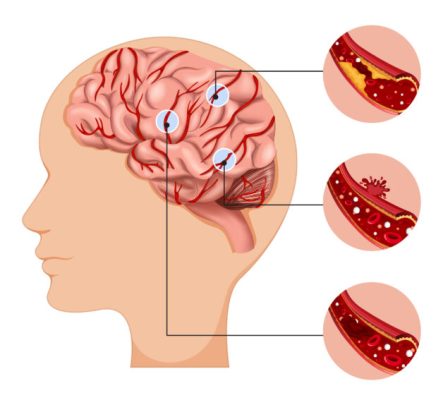
In severe cases, the illness can rapidly escalate to acute encephalitis (severe brain inflammation). This progression manifests as drowsiness, dizziness, mental confusion, altered consciousness, seizures, and coma within just 24 to 48 hours. This aggressive neurological deterioration is the primary reason behind the exceptionally high mortality rate of the Nipah virus.
Individuals returning from outbreak-affected areas must monitor their health for 14 days. If any suspected symptoms develop, they should immediately seek medical evaluation at a healthcare facility and minimize contact with others.

Experts Warn of Transmission Risks Within Healthcare Facilities
Speaking with the press, Mr. Tran Dac Phu – former Director General of the General Department of Preventive Medicine (now the Department of Disease Prevention under the Ministry of Health) – assessed that the Nipah virus is an exceptionally dangerous infectious agent requiring stringent monitoring.
According to Mr. Phu, a major point of concern in this latest outbreak in India is the occurrence of healthcare-associated transmission, where medical staff contracted the disease while providing patient care. This indicates that the Nipah virus has a clear capacity for human-to-human transmission if infection control and prevention measures are not rigorously enforced.
Proactive Prevention: The Crucial Defense Strategy in the Absence of a Vaccine
Faced with the threat of an infectious outbreak that lacks a vaccine or definitive treatment, the Ministry of Health strongly urges the public to proactively adhere to the following preventive measures:
- Do not eat or drink any type of fruit that shows signs of being bitten, chewed, or gnawed on by bats, birds, or other wild animals.
- Thoroughly wash and peel fruits before consumption; always practice food safety by prioritizing fully cooked food and boiled water.
- Avoid drinking raw, unpasteurized plant saps, such as fresh palm sap, raw coconut sap, or any unprocessed derivatives.
- Limit close proximity to fruit bats and any animals suspected of harboring the virus.
- Frequently wash hands with soap and water or use an alcohol-based hand sanitizer, particularly after touching animals or entering livestock environments.
- Workers in the animal husbandry, farming, and slaughterhouse industries must fully utilize appropriate personal protective equipment (PPE).
- Proactively boost overall resistance through a complete and balanced nutritional diet, supplementing essential vitamins and micronutrients vital for the immune system, combined with proper rest and a healthy lifestyle.
Upon experiencing suspected symptoms such as high fever, respiratory tract distress, or neurological disorders, especially if associated with epidemiological risk factors, individuals must report immediately to a medical facility for examination, isolation, and diagnostic testing.
>> Xem thêm: Ăn ổi có tác dụng gì? Sự thật về khả năng tăng miễn dịch của quả ổi

Vietnam Has Logged Zero Nipah Cases But Must Remain Vigilant
The Ministry of Health confirms that Vietnam has not recorded any cases of Nipah virus infection to date. However, given its geographical location within the distribution zone of fruit bats, combined with high volumes of international trade and tourism, the risk of virus importation cannot be entirely ruled out.
Maintaining high vigilance, strengthening surveillance at border entry points, medical facilities, and within communities—alongside public awareness regarding preventive hygiene—are viewed as the linchpin strategies to ensure early detection, timely isolation, and the containment of potential Nipah virus transmission to the public.
References:
- https://baochinhphu.vn/bo-y-te-khuyen-cao-nguoi-dan-han-che-den-khu-vuc-co-dich-benh-do-virus-nipah-102260127081219797.htm
- https://tuoitre.vn/vi-rut-nipah-tai-xuat-tai-an-do-nguy-co-xam-nhap-viet-nam-20260126230529863.htm
Bài viết của: Biên tập viên Drip Hydration