Stroke represents a leading cause of mortality and long-term disability worldwide. Among modifiable cardiovascular risk factors, low-density lipoprotein cholesterol plays a central role in the onset and progression of cerebrovascular lesions. Identifying optimal LDL cholesterol levels for stroke prevention is therefore essential for mitigating lifelong vascular risk. This article reviews the latest clinical evidence to clarify these critical benchmarks.
How LDL cholesterol leads to ischemic stroke
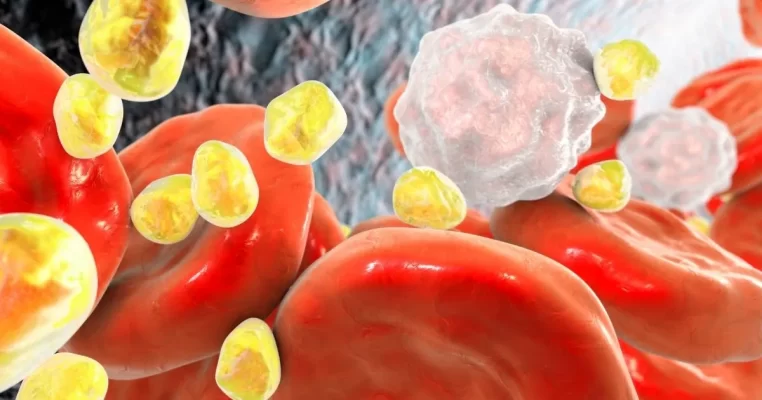
Low-density lipoprotein cholesterol (frequently referred to as “bad cholesterol”) is a lipoprotein responsible for carrying cholesterol from the liver to peripheral cells and tissues throughout the body. When circulating concentrations exceed safe clinical thresholds, LDL-C readily deposits within arterial walls, forming atherosclerotic plaques that narrow vessel lumens and heighten the risk of acute cardiovascular events such as myocardial infarction and stroke.
The progression of cerebral atherosclerosis driven by LDL-C
- Infiltration: As circulating LDL-C concentrations rise, these lipid particles cross the endothelial monolayer lining the carotid arteries and major cerebral branches. Within the subendothelial space, LDL-C undergoes oxidative modification, triggering a localized inflammatory cascade that recruits circulating monocytes to form lipid-laden foam cells – the foundational building blocks of an atherosclerotic plaque.
- Plaque rupture and acute thrombosis: Over time, progressive plaque expansion stiffens and narrows the vascular lumen. When the thin fibrous cap covering the plaque ruptures, the thrombogenic lipid core is exposed to circulating blood, immediately stimulating platelet aggregation and activating the coagulation cascade to form a localized thrombus.
- Clinical consequences: The resulting thrombus severely restricts or completely obstructs blood flow to downstream brain tissue, precipitating acute cerebral ischemia and ischemic infarction.
Lowering LDL-C by 1 mmol/L yields a 23.5% reduction in stroke risk
Ischemic strokes account for approximately 85% of all stroke cases, with 25.78% of these events directly attributable to elevated circulating LDL-C. These epidemiological figures were documented in the systematic analysis “Systematic analysis of the burden of ischemic stroke attributable to high LDL-C from 1990 to 2021,” published on PubMed in April 2025.
Understanding the continuous vascular benefits of lipid reduction helps clinicians define optimal LDL cholesterol levels for stroke prevention. Recent clinical trials have clarified the direct quantitative relationship between intensive LDL-C reduction and stroke risk mitigation, defining a clear mathematical correlation:
- Every 1.0 mmol/L (~38.7 mg/dL) reduction in circulating LDL-C corresponds to a 23.5% decrease in overall stroke risk (slope = 0.235; P = 0.044).
- Crucially, this continuous risk reduction remains consistent and clinically safe even when LDL-C concentrations are reduced to very low levels of 0.78 mmol/L (~30 mg/dL).
These quantitative outcomes were demonstrated in the comprehensive meta-analysis “Achieved low-density lipoprotein cholesterol level and stroke risk: A meta-analysis of 23 randomised trials” (PubMed, 2021) by Jaewon Shin et al. The research evaluated a pooled cohort of 222,149 patients derived from 23 randomized controlled trials, assessing the quantitative correlation between achieved on-treatment LDL-C levels and subsequent stroke incidence.
Optimal LDL-C target ranges for stroke prevention
Lower circulating LDL-C levels correlate with a progressively lower risk of stroke. However, establishing optimal LDL cholesterol levels for stroke prevention does not demand an identical, rock-bottom threshold for every person; optimal ranges vary significantly based on an individual’s underlying cardiovascular risk category. The target benchmark for a young, healthy individual differs fundamentally from the strict threshold required for a patient recovering from a recent stroke. Establishing precise clinical targets maximizes vascular endothelial protection while ensuring long-term pharmacotherapeutic safety.
The systematic review and meta-analysis titled “Relationship between low-density lipoprotein cholesterol, lipid-lowering agents and risk of stroke: a meta-analysis of observational studies (n = 355,591) and randomized controlled trials (n = 165,988)” (2022) established risk-stratified LDL-C target intervals:
| Risk category | Optimal / normal LDL-C target | Conventional unit (mmol/L) |
| Healthy individuals (no cardiovascular risk factors) | < 100 mg/dL | < 2.6 mmol/L |
| Moderate risk (1–2 risk factors: hypertension, smoking, age) | < 100 mg/dL | < 2.6 mmol/L |
| High risk (diabetes mellitus, mild renal disease, severe hypertension) | < 70 mg/dL | < 1.8 mmol/L |
| Very high risk (prior stroke, myocardial infarction, established atherosclerosis) | < 55 mg/dL | < 1.4 mmol/L (and ≥ 50% reduction from baseline) |
These benchmarks reflect pooled data gathered from 355,591 subjects across observational studies alongside 165,988 patients enrolled in randomized controlled trials.
Clinical research on the efficacy of lipid-lowering therapies in stroke prevention
PCSK9 inhibitors lower overall stroke risk by 25% (2024)
The systematic review and meta-analysis “Efficacy and safety of PCSK9 inhibitors for stroke prevention: Systematic review and meta-analysis” (PubMed, 2024) delivered a comprehensive evaluation regarding the clinical efficacy and safety of PCSK9 inhibitors, an advanced class of biologic lipid-lowering therapeutics.
The trial pooled evidence from 93,093 patients across 20 randomized controlled trials, featuring a median follow-up duration of 60.1 weeks. Utilizing a random-effects meta-analysis model based on risk ratios, findings revealed that PCSK9 inhibitor therapy reduced overall stroke risk by 25% compared to placebo cohorts (RR = 0.75; P < 0.0001).
Beyond its vascular benefits, the study confirmed that intensive LDL-C reduction achieved via PCSK9 inhibition is clinically safe, with no increase in neurocognitive adverse events or all-cause mortality.
Statin plus ezetimibe combination therapy achieves optimal LDL cholesterol levels for stroke prevention (2023)
Prof. Keun-Sik Hong and colleagues conducted a multi-center study across 13 clinical sites in South Korea involving 584 patients with acute ischemic stroke enrolled within 90 days of onset. The primary objective was to evaluate the clinical efficacy and safety of combining moderate-intensity rosuvastatin plus ezetimibe (10 mg/10 mg) versus high-intensity rosuvastatin monotherapy (20 mg) in achieving target LDL-C goals.
The findings, published in 2023 under the title “Moderate-Intensity Rosuvastatin Plus Ezetimibe Versus High-Intensity Rosuvastatin for Target Low-Density Lipoprotein Cholesterol Goal Achievement in Patients With Recent Ischemic Stroke (ROSETTA-Stroke Trial)” demonstrated that the combination protocol was superior to high-intensity statin monotherapy.
Key findings:
- 72.5% of patients in the combination therapy cohort met the primary endpoint of achieving a ≥ 50% reduction in LDL-C from baseline, significantly outperforming the 57.6% observed in the high-intensity statin group (P = 0.0003).
- 80.2% of combination-arm participants reached the target LDL-C threshold of < 70 mg/dL, compared to 65.4% receiving monotherapy (P = 0.0001).
Significantly, achieving optimal LDL cholesterol levels for stroke prevention through this combination regimen was accompanied by a marked reduction in recurrent vascular events (P = 0.0091) over the follow-up period.
Clinical recommendations and an evidence-based LDL-C management strategy
Managing LDL cholesterol goes beyond monotherapy; it demands a comprehensive approach to maintain optimal LDL cholesterol levels for stroke prevention tailored to each patient’s specific cardiovascular and cerebrovascular risk profile. Below is a structured clinical framework:
Screening for stroke risk driven by elevated LDL-C
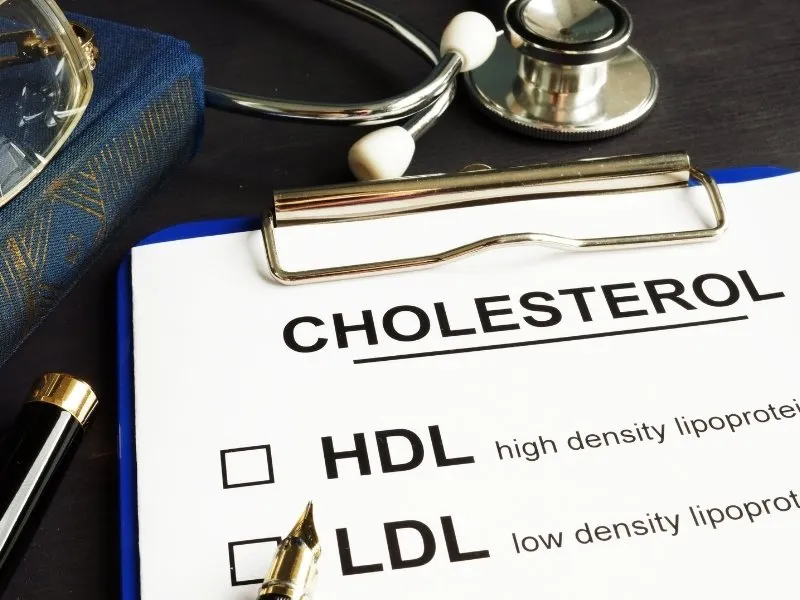
For at-risk populations, advanced lipid testing evaluating LDL-C, HDL-C, and triglycerides should be paired with non-invasive vascular imaging, including carotid Doppler ultrasonography and cardiovascular evaluations. These diagnostic modalities detect early subendothelial lipid deposition, the initiating event in plaque formation.
By correlating circulating LDL-C concentrations with structural vessel wall pathology, clinical providers can accurately map a patient’s position on the stroke risk spectrum to initiate timely clinical care.
Designing a personalized LDL-lowering strategy
Because individual lipid metabolism varies, therapeutic management should be customized according to a patient’s clinical history, comorbidities, and baseline cardiovascular risk. To achieve optimal LDL cholesterol levels for stroke prevention, physicians establish specific target goals, such as maintaining levels below 70 mg/dL for high-risk profiles or below 55 mg/dL for established cerebrovascular disease, while selecting pharmacologic and non-pharmacologic interventions best suited to the individual’s baseline physiology.
Controlling and managing elevated LDL-C
Alongside evidence-based pharmacotherapy and nutritional modifications, targeted micronutrient protocols offer supportive physiological benefits for lipid regulation and neurovascular integrity through several key biological pathways:
- Supporting hepatic lipid clearance: Providing metabolic cofactors helps upregulate hepatic LDL receptor activity, accelerating the clearance and catabolism of excess circulating LDL particles.
- Antioxidant defense against oxidized LDL: Introducing potent free-radical scavengers helps prevent the oxidative modification of native LDL into oxidized LDL. This intervention limits arterial endothelial inflammation, preventing macrophages from engulfing oxidized particles to form atherogenic foam cells.
- Preserving endothelial barrier function: Supports the structural integrity of endothelial cells in carotid and cerebral vessels, reducing microvascular damage and limiting the entry of atherogenic lipoproteins into the subendothelial space.
- Supporting microvascular flow and cellular bioenergetics: Enhances cerebral microvascular perfusion and supports cellular adenosine triphosphate synthesis in ischemic zones compromised by luminal narrowing, actively nourishing neural tissue.
Routine monitoring of physiological markers and stroke risk factors
While LDL-C concentrations are verified through laboratory venous blood draws, daily physiological markers provide valuable continuous insights for achieving optimal LDL cholesterol levels for stroke prevention. Advanced clinical tracking protocols at Drip Hydration include:
- Continuous physiological monitoring: Tracking resting heart rate, heart rate variability, pulse oximetry, sleep architecture, and autonomic stress patterns.
- Periodic diagnostic laboratory panels: Re-assessing lipid panels to evaluate progress toward target LDL-C goals.
Combining continuous biometric tracking with regular laboratory assessments allows medical teams to fine-tune pharmacotherapy, adjust micronutrient protocols, and support timely lifestyle modifications, ensuring that circulating LDL-C remains within safe clinical margins.
Sustaining vascular protection over the long term
Achieving optimal LDL cholesterol levels for stroke prevention represents an essential initial milestone; sustaining these reductions alongside comprehensive risk factor control is what provides durable stroke protection.
Through structured clinical guidance, patients implement evidence-based lifestyle modifications, such as:
- Following a cardioprotective diet that restricts saturated fats to less than 7% of total daily energy intake,
- Incorporating bioactive plant compounds such as phytosterols and gamma-oryzanol to reduce intestinal cholesterol absorption,
- Engaging in regular physical movement and active stress regulation.
These proactive lifestyle adaptations help maintain healthy LDL-C levels, preserve endothelial integrity, and reduce the long-term risk of plaque destabilization and cerebrovascular events.
Maintaining optimal LDL cholesterol levels for stroke prevention is a clinical cornerstone in lowering overall cerebrovascular risk. This objective forms a core priority of the Stroke Risk Screening and Management Program at Drip Hydration. Dedicated to helping clients identify early risk factors and protect long-term health, Drip Hydration integrates modern diagnostics and updated clinical guidelines to build personalized programs tailored to individual health profiles.
To learn more about our comprehensive stroke risk screening and management protocols, call our clinical team at 0901.885.088 or book an appointment to schedule your consultation online today.
References
- Achieved low-density lipoprotein cholesterol level and stroke risk: A meta-analysis of 23 randomised trials: https://pubmed.ncbi.nlm.nih.gov/30782002/
- Efficacy and safety of PCSK9 inhibitors for stroke prevention: Systematic review and meta-analysis: https://pubmed.ncbi.nlm.nih.gov/38336118/
- Relationship between low-density lipoprotein cholesterol, lipid-lowering agents and risk of stroke: a meta-analysis of observational studies (n = 355,591) and randomized controlled trials (n = 165,988): https://pubmed.ncbi.nlm.nih.gov/35832716/
- Moderate-Intensity Rosuvastatin Plus Ezetimibe Versus High-Intensity Rosuvastatin for Target Low-Density Lipoprotein Cholesterol Goal Achievement in Patients With Recent Ischemic Stroke (ROSETTA-Stroke Trial): https://pubmed.ncbi.nlm.nih.gov/37032475/
Bài viết của: Biên tập viên Drip Hydration