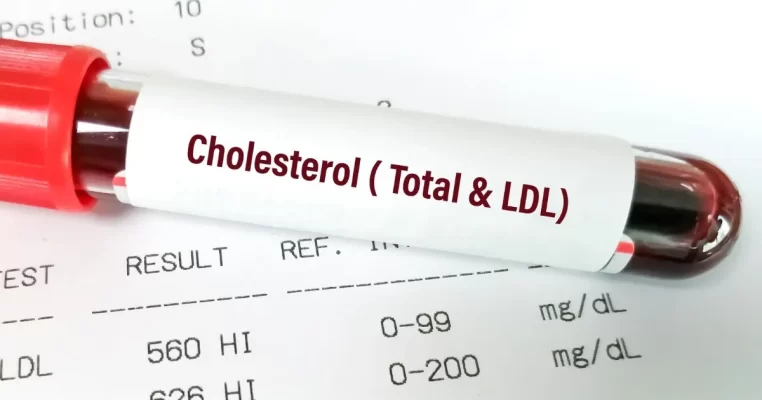
The most effective diagnostic approach to evaluate biomarkers associated with cerebrovascular vulnerability is through comprehensive stroke tests integrated into a Comprehensive Wellness Panel. Rather than a single standalone check, this multi-parameter diagnostic assessment evaluates key physiological indicators to identify early warning signs of arterial damage, vascular inflammation, and stroke susceptibility.
The vital role of specialized stroke tests in proactive medicine
Early detection of cardiovascular and neurological risk factors remains the cornerstone of preventive healthcare. As a leading cause of mortality and long-term disability worldwide, cerebrovascular disease often progresses silently, with subtle metabolic warning signs that go undetected until an acute crisis strikes.
Modern stroke tests provide essential diagnostic data by evaluating systemic biomarkers linked to arterial compromise. By screening lipid fractions, systemic inflammatory indices, coagulation parameters, and endocrine health, clinical stroke tests empower physicians to stratify risk profiles and intervene before irreversible vascular injury occurs.
Comprehensive Wellness Panel: Key stroke tests and clinical biomarkers
While laboratory panels do not diagnose an active, acute cerebrovascular event – which requires emergent neuroimaging such as CT or MRI – specialized stroke tests within a Comprehensive Wellness Panel uncover the underlying physiological drivers of vascular disease:
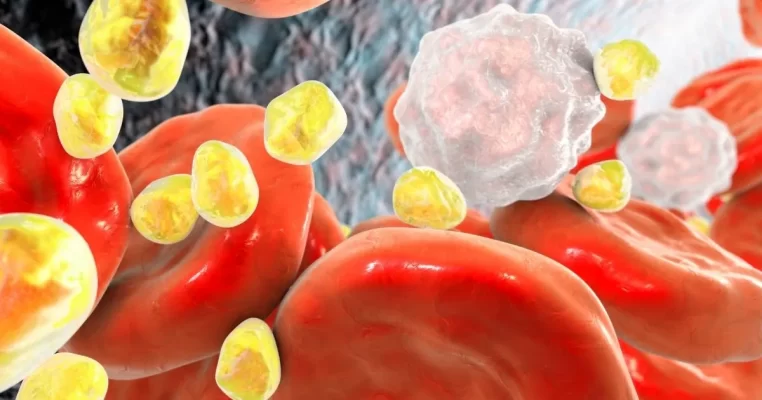
- Advanced lipid stroke tests: Measures total cholesterol, HDL, triglycerides, and LDL particle concentration. Elevated LDL accelerates atherosclerosis – the accumulation of fatty plaques along arterial walls that directly impedes cerebral perfusion.
- Vascular inflammation markers (hs-CRP and homocysteine): High-sensitivity C-reactive protein (hs-CRP) identifies low-grade vascular inflammation, while elevated homocysteine promotes endothelial dysfunction. Both markers significantly heighten the likelihood of thrombus formation and arterial occlusion.
- Thyroid function panel (TSH, free T3, free T4, and thyroid antibodies): Thyroid dysregulation directly influences vascular resistance, cardiac output, lipid clearance, and systemic blood pressure, indirectly driving cerebrovascular risk.
- Essential micronutrient evaluation (vitamin D, vitamin B12, and magnesium): Deficiencies in these key micronutrients are strongly correlated with arterial stiffness, hypertension, and impaired endothelial repair mechanisms.

From advanced stroke tests to personalized prevention
Routine diagnostic screening transforms preventive medicine from reactive treatment to proactive risk reduction. Utilizing clinical stroke tests to systematically evaluate metabolic, inflammatory, and vascular health enables medical professionals to establish targeted medical therapies and evidence-based lifestyle modifications, preventing serious cerebrovascular events before they occur.
To translate these diagnostic insights into actionable prevention, participating in a comprehensive Stroke Risk Screening and Management Support Program offers an in-depth evaluation of your vascular health. This structured approach detects silent vascular changes early and establishes a personalized roadmap to effectively lower your risk, especially for high-risk individuals. Taking proactive steps today empowers you to safeguard your brain health before irreversible complications occur. For detailed consultation and priority appointment scheduling, contact our hotline at 0901.885.088.
Nguồn: Driphydration.com
Bài viết của: Biên tập viên Drip Hydration