An ischemic stroke remains one of the most dangerous medical conditions today. Every year, millions of people worldwide suffer from this condition, resulting in devastating health and financial consequences. Fortunately, up to 80% of premature strokes are preventable through proactive lifestyle and clinical interventions. Understanding how to prevent ischemic stroke is the first and most critical step in safeguarding your long-term brain health and overall well-being.
1. Is it possible to prevent ischemic stroke?
An ischemic stroke occurs when a blood clot obstructs or narrows an artery supplying the brain, significantly reducing or completely cutting off blood flow to a region of the brain. This lack of perfusion deprives brain tissue of essential oxygen and nutrients, causing brain cells to die within minutes. Ischemic strokes account for approximately 87% of all stroke cases.
So, can ischemic stroke be prevented?
The answer is yes. In fact, you can effectively prevent ischemic stroke through a combination of lifestyle modifications and medical interventions, such as managing high blood pressure (hypertension), controlling diabetes, lowering elevated cholesterol, quitting smoking, maintaining a healthy weight, exercising regularly, adhering to a heart-healthy diet, limiting alcohol consumption, and managing chronic stress.

2. Who should be concerned about ischemic stroke prevention?
Everyone should understand how to prevent ischemic stroke, as a stroke can occur at any age, even though risk increases with advancing years. However, the following population groups need to pay special attention to ischemic stroke prevention:
- Individuals with cardiovascular risk factors: Those with hypertension, high cholesterol, diabetes mellitus, obesity, or a sedentary lifestyle should be particularly vigilant regarding stroke prevention.
- Older adults: Because stroke risk increases significantly with age, individuals over 55 years old should pay close attention to preventive strategies.
- Individuals with a family history of stroke: Genetic predispositions can elevate stroke risk, making prevention critical for those with a positive family history.
- Cigarette smokers: Tobacco use significantly increases stroke risk, making smoking cessation and prevention essential.
- Individuals with heart disease: Those with atrial fibrillation, valvular heart disease, or a history of myocardial infarction should focus closely on targeted prevention.
- Individuals with a prior stroke or transient ischemic attack (TIA): Having experienced a prior stroke or TIA places patients at high risk for a recurrent stroke event; secondary prevention in this population is imperative.
- Women with specific hormonal factors: Especially those who are pregnant, using oral contraceptives, or undergoing menopause, as hormonal fluctuations can influence overall stroke risk.
- Individuals with sleep disorders: Those suffering from conditions such as obstructive sleep apnea face an elevated stroke risk and need proactive management.
- Individuals with chronic stress: Chronic stress can contribute to hypertension and vascular inflammation, making stress management an important aspect of ischemic stroke prevention.
- Individuals with autoimmune diseases: Certain autoimmune conditions can heighten stroke risk through systemic inflammation, making prevention important for this group.
- Substance users: Individuals engaging in excessive alcohol consumption or illicit drug use should be conscious of the heightened stroke risk associated with these behaviors.
3. Effective ways to prevent ischemic stroke
Numerous effective strategies exist to prevent stroke. Comprehensive approaches incorporating lifestyle modifications, medical interventions, and routine health monitoring can substantially reduce individual risk. Key evidence-based preventive strategies include:
3.1. Blood pressure management
Hypertension is the single most important modifiable risk factor for stroke. Controlling blood pressure (ideally below 130/80 mmHg) is paramount. This can be achieved through:
- Routine blood pressure monitoring
- Adhering to prescribed antihypertensive medications
- Reducing sodium and high-sodium food intake
- Increasing potassium-rich foods in the daily diet
- Stress management techniques such as meditation or mindfulness
- Engaging in regular physical activity
3.2. Cholesterol control
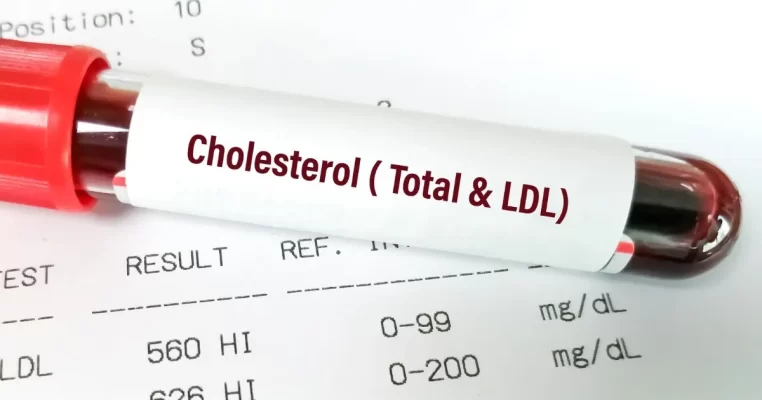
Elevated LDL cholesterol levels contribute to atherosclerosis, increasing stroke risk. Effective cholesterol management includes:
- Routine lipid panel testing
- Taking prescribed statins or lipid-lowering therapy
- Adopting a diet low in saturated and trans fats
- Increasing dietary soluble fiber intake
- Incorporating foods rich in omega-3 fatty acids
3.3. Diabetes management
Uncontrolled diabetes mellitus damages blood vessels, elevating stroke risk. Effective diabetes management includes:
- Routine blood glucose and HbA1c monitoring
- Adhering to prescribed oral medications or insulin therapy
- Following a diabetes-friendly meal plan
- Engaging in regular exercise
- Maintaining a healthy body weight
3.4. Smoking cessation
Smoking significantly increases stroke risk. Quitting smoking can be achieved through:
- Nicotine replacement therapy (NRT)
- Prescription cessation medications to reduce cravings
- Behavioral therapy or counseling
- Joining cessation support groups

3.5. Regular physical activity
Exercise helps maintain a healthy weight, blood pressure, and cholesterol profile. Recommended guidelines include:
- At least 150 minutes of moderate-intensity aerobic physical activity per week
- Muscle-strengthening exercises at least twice a week
- Incorporating movement throughout the day, such as taking the stairs instead of the elevator
3.6. Adopting a heart-healthy diet
A balanced, heart-healthy dietary pattern can substantially lower stroke risk:
- Following a Mediterranean or DASH diet rich in fruits, vegetables, whole grains, and lean proteins
- Restricting ultra-processed foods, saturated fats, and added sugars
- Reducing daily dietary sodium intake
- Increasing fatty fish consumption rich in omega-3 fatty acids
3.7. Weight management
Maintaining a healthy body weight reduces cardiovascular strain through:
- Regular physical activity
- A nutrient-dense diet with appropriate portion control
- Behavioral strategies for long-term weight maintenance
3.8. Limiting alcohol consumption
Excessive alcohol consumption can elevate blood pressure and stroke risk. Moderate intake involves limiting consumption to no more than one drink per day for women and two drinks per day for men, or avoiding alcohol entirely.

3.9. Managing underlying heart conditions
Properly treating cardiac conditions that elevate stroke risk – such as atrial fibrillation – involves:
- Routine cardiovascular evaluations
- Strict adherence to prescribed medications, including anticoagulants if indicated
- Implementing recommended lifestyle modifications
3.10. Stress management
Chronic stress can contribute to hypertension and vascular inflammation. Recommended coping measures include:
- Practicing regular relaxation techniques and mindfulness
- Prioritizing quality sleep (7 – 9 hours per night for adults)
- Practicing effective time management and maintaining work-life balance
3.11. Routine health checkups
Preventive healthcare can detect and address risk factors early through:
- Annual comprehensive wellness exams
- Periodic screenings for hypertension, dyslipidemia, and diabetes
- Discussing family history and personal cardiovascular risks with healthcare providers
3.12. Treatment of sleep disorders
Conditions such as obstructive sleep apnea can increase stroke risk. Key steps include:
- Seeking clinical evaluation if sleep apnea or chronic snoring is present
- Consistently utilizing CPAP therapy or other prescribed modalities
- Maintaining proper sleep hygiene practices
3.13. Avoiding illicit drug use
Substance use can dramatically increase stroke risk. It is critical to avoid cocaine, methamphetamines, and other illicit stimulants entirely, and to seek professional medical assistance for substance dependency if needed.
3.14. Genetic counseling and evaluation
For individuals with a strong family history of premature stroke:
- Seek genetic counseling to assess inherited risk profiles
- Consider targeted genetic testing when clinically appropriate
- Formulate personalized prevention strategies based on identified genetic risks
In summary, knowing how to prevent ischemic stroke requires a comprehensive combination of healthy dietary habits, regular physical activity, and medical management. Furthermore, routine health checkups and early consultations with medical professionals are essential to detect and address vascular risk factors before irreversible damage occurs.
Because stroke is often the final outcome of silent, progressive vascular damage developing over years, proactive detection is vital. To safeguard your brain and cardiovascular health, DripCare offers a specialized Stroke Risk Screening and Management Support Program, designed to identify early vascular risks and help effectively prevent ischemic stroke, especially for high-risk individuals. Contact our hotline at 0901.885.088 for detailed consultation.
References: health.gov – healthline.com – health.harvard.edu
Bài viết của: Biên tập viên Drip Hydration