This article was medically reviewed by Dao Thi My Van, MD, MSc.
An ischemic stroke is a critical medical condition that occurs when an artery supplying blood to the brain becomes obstructed, leading to localized ischemia and brain tissue injury. Without timely intervention, this condition can cause devastating sequelae and even prove life-threatening. To protect yourself and your loved ones, it is essential to explore what is ischemic stroke, how to recognize its warning signs, and what steps to take during a medical emergency.
1. What is ischemic stroke?
An ischemic stroke occurs when the blood supply to a portion of the brain is interrupted or reduced, preventing brain tissue from receiving adequate oxygen and nutrients. Brain cells begin to die within minutes.
Accounting for approximately 87% of all stroke cases, this condition represents a medical emergency that demands immediate medical attention to minimize brain damage and potential complications.
An ischemic stroke progresses through both acute and chronic (recovery) phases:
1.1. Acute ischemic stroke
Acute ischemic stroke occurs abruptly when blood flow to a region of the brain is suddenly blocked. Acute ischemic strokes typically stem from:
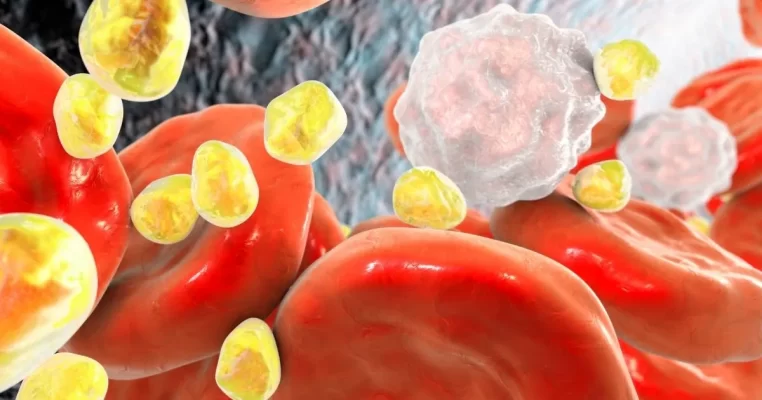
- Thrombosis: A blood clot (thrombus) forms within an artery supplying blood to the brain. This is commonly caused by fatty deposit buildup (atherosclerotic plaques) within the arterial wall that reduces blood flow (atherosclerosis).
- Embolism: A blood clot or debris originates from elsewhere in the body – frequently the heart – and travels through the bloodstream to lodge in narrower cerebral arteries. This type of clot is termed an embolus.
Symptoms of acute ischemic stroke may include sudden numbness or weakness in the face, arm, or leg (particularly on one side of the body), confusion, difficulty speaking or understanding speech, visual disturbances, trouble walking, dizziness, and loss of balance or coordination.
1.2. Chronic ischemic stroke / recovery phase
The chronic or recovery phase of an ischemic stroke refers to the ongoing physiological processes and rehabilitation following the initial acute event. Once the immediate crisis has passed, the brain and body begin adapting to the tissue injury.
The chronic phase involves:
- Stroke rehabilitation: Patients with ischemic stroke sequelae often undergo comprehensive rehabilitation, which may include physical therapy, occupational therapy, speech-language therapy, and other supportive modalities to regain maximal functional independence.
- Secondary complications: Patients may experience long-term disabilities, such as hemiplegia (one-sided paralysis), cognitive impairment, speech deficits, and mood disorders, including depression or anxiety.
- Risk of recurrent stroke: Individuals with a history of ischemic stroke face a significantly higher risk of experiencing a subsequent stroke. Secondary prevention strategies – including pharmacotherapy, lifestyle modifications, and surgical or endovascular interventions – are essential to mitigate this risk.

1.3. Causes of ischemic stroke
The primary etiologies triggering acute ischemic stroke involve underlying cardiovascular conditions that promote blood clot formation or vascular occlusion. These include:
- Atherosclerosis: Plaque buildup inside the arteries can narrow or completely block blood flow to the brain.
- Heart disease: Atrial fibrillation, valvular heart disease, and other cardiac conditions can lead to intracardiac thrombi, which can embolize to the brain.
- High blood pressure (hypertension): A major risk factor that damages blood vessel walls, making them more susceptible to narrowing or clot formation.
- Diabetes mellitus: Accelerates arterial plaque buildup and induces metabolic changes that increase blood hypercoagulability.
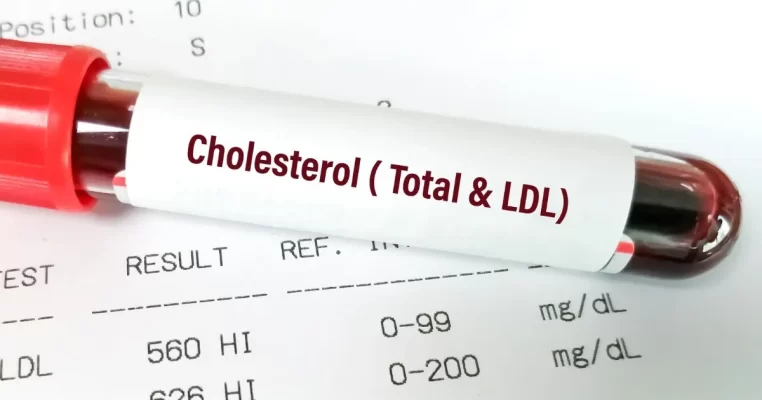
- High cholesterol (hyperlipidemia): Elevated circulating lipid levels contribute directly to arterial plaque formation.
- Cigarette smoking: Damages vascular endothelium and increases blood viscosity and clotting susceptibility.
- Obesity: Excess body weight increases the likelihood of developing hypertension, diabetes mellitus, and heart disease – all of which elevate stroke risk.
- Sedentary lifestyle: Physical inactivity is linked to multiple stroke risk factors, including obesity, hypertension, and diabetes mellitus.
- Excessive alcohol consumption: Heavy drinking can elevate blood pressure and significantly increase stroke risk.
- Other medical conditions: Carotid artery stenosis, patent foramen ovale (PFO), and hypercoagulable blood disorders also substantially increase ischemic stroke susceptibility.
2. Who is at risk for ischemic stroke?
High-risk populations for ischemic stroke include:
2.1. Non-modifiable risk factors
- Older adults: The risk of ischemic stroke increases with age. Although strokes can occur at any age, incidence rates are significantly higher in older adults. After age 55, stroke risk doubles with each passing decade.
- Sex and gender: Men generally face a higher risk of suffering a stroke compared to women. However, women are more likely to die from a stroke. Sex-based disparities stem partly from hormonal influences, lifestyle variations, and longer female life expectancy.
- Family history and genetics: A family history of stroke elevates an individual’s susceptibility. Inherited genetic disorders, such as sickle cell disease, also increase stroke risk. Additionally, familial hypercholesterolemia elevates stroke susceptibility due to its impact on vascular health.
- Race and ethnicity: Certain racial and ethnic groups experience higher stroke risks. For example, Black and African American individuals face nearly double the risk of a first stroke compared to White individuals. This elevated risk is frequently linked to higher prevalence rates of hypertension, diabetes mellitus, and obesity within these populations. Hispanic and Asian populations also carry distinct risks influenced by genetic and lifestyle factors.
2.2. Modifiable risk factors
Other populations at heightened risk for ischemic stroke include:
- Individuals with high blood pressure (hypertension);
- Individuals with diabetes mellitus;
- Individuals with cardiovascular diseases;
- Individuals with high blood cholesterol (hyperlipidemia);
- Individuals who smoke cigarettes or consume excessive alcohol;
- Individuals who are overweight or obese;
- Individuals with sedentary lifestyle habits;
- Individuals consuming an unhealthy diet high in saturated fats, trans fats, cholesterol, and sodium;
- Individuals with a history of substance use disorders or illicit drug use.
2.3. Additional risk factors
- Hormonal factors: Use of oral contraceptives and hormone replacement therapy (HRT), particularly estrogen-containing formulations, can increase stroke risk, especially in women who smoke or have other cardiovascular risk factors.
- Prior history of stroke or transient ischemic attack (TIA): Individuals who have previously suffered a stroke or TIA face a substantially higher risk of experiencing a recurrent stroke.
Ischemic stroke risk is shaped by a complex interplay of non-modifiable and modifiable factors. While age, sex, and genetics remain outside individual control, many risk factors can be effectively managed or mitigated through lifestyle modifications, medical therapy, and proactive healthcare. Understanding your personal risk profile alongside what is ischemic stroke empowers you to take actionable steps toward prevention and long-term brain health.
3. Is ischemic stroke dangerous?
A stroke is a critical medical condition that poses severe health threats and can be fatal. The clinical severity of a stroke and its impact on an individual depend on multiple variables, including the stroke subtype (ischemic or hemorrhagic), its anatomic location within the brain, the extent of tissue damage, the speed of emergency medical intervention, and the patient’s baseline overall health.
3.1. Why is a stroke dangerous?
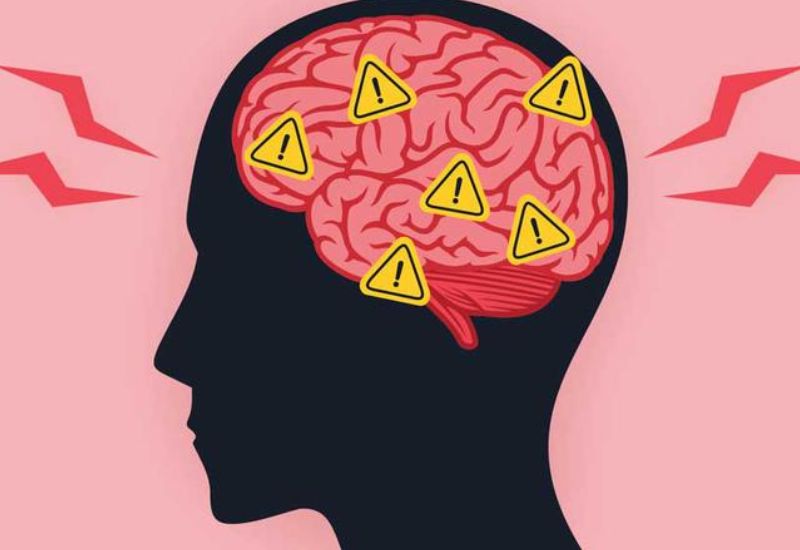
A stroke is inherently dangerous primarily because it interrupts cerebral blood flow, causing brain cell (neuronal) death within minutes. The brain is exquisitely sensitive to oxygen and nutrient deprivation; even brief disruptions in perfusion can inflict catastrophic damage. Specific reasons why strokes are particularly dangerous include:
- Permanent brain damage: When a stroke occurs, the affected brain region suffers hypoxia and nutrient deprivation, resulting in neuronal death. Because the central nervous system has limited regenerative capacity, stroke-induced damage is often permanent.
- Rapid onset: Strokes manifest abruptly, often without advance warning. This sudden onset leaves no time for immediate prevention, making emergency medical intervention critical.
- Widespread functional impact: Depending on the affected brain region, a stroke can impair multiple functions, including mobility, speech, vision, and cognition. This can cause substantial deficits that disrupt activities of daily living, personal independence, and overall quality of life.
- High mortality rate: Stroke remains a leading cause of death worldwide. Mortality rates vary based on stroke subtype, clinical severity, treatment timeliness, and underlying comorbidities. Hemorrhagic strokes, which involve intracranial bleeding, generally carry higher mortality rates than ischemic strokes.
3.2. Complications of ischemic stroke
A stroke can precipitate numerous acute and long-term complications, including:
- Physical disability: Stroke frequently causes weakness or paralysis, typically on one side of the body (hemiplegia or hemiparesis), affecting the face, arm, and leg.
- Coordination and balance deficits: Damage to specific brain regions can cause ataxia and loss of balance, elevating the risk of falls and injury.
- Speech and language impairments: Affects communication, including speaking, comprehension, reading, and writing (aphasia or dysarthria), resulting from damage to cerebral language centers.
- Memory loss: Stroke survivors may experience short-term or long-term memory deficits.
- Cognitive decline: Stroke can impair executive function, including attention span, problem-solving, and abstract reasoning.
- Emotional and mood changes: Survivors frequently experience neuropsychiatric disturbances, including post-stroke depression, anxiety, and emotional lability.
- Chronic pain: Some survivors develop central post-stroke pain syndrome (CPSP), characterized by chronic neuropathic pain resulting from damage to sensory pathways in the brain.
- Numbness and paresthesia: Sensory disturbances, including numbness and tingling sensations, can manifest in affected body regions.
- Immobility-related complications: Reduced mobility can lead to deep vein thrombosis (DVT) in the lower extremities. Prolonged bed rest can cause pressure injuries (bedsores). Survivors with impaired swallowing (dysphagia) or reduced mobility face a heightened risk of aspiration pneumonia.
- Seizures: Stroke can trigger post-stroke seizures or epilepsy, particularly in the months or years following the initial event (though more common following hemorrhagic strokes).
An ischemic stroke is a critical medical condition requiring rapid and decisive clinical intervention. Left unmanaged, it can inflict catastrophic, life-altering sequelae or death. Consequently, gaining a clear understanding of what is ischemic stroke, its causes, symptoms, and emergency response protocols is essential.
However, a stroke is rarely an isolated, sudden event; it is often the final result of silent, progressive vascular damage developing over years. Proactive detection is therefore critical. To safeguard your cardiovascular and brain health, Drip Hydration offers a specialized Stroke Risk Screening and Management Support Program, designed to identify early vascular risks and effectively lower stroke incidence, especially for high-risk individuals. Contact our hotline at 0901.885.088 for detailed consultation.
References: Emedicine.medscape.com, Ncbi.nlm.nih.gov, Cooperhealth.org, Mayoclinichealthsystem.org
Bài viết của: Biên tập viên Drip Hydration