Relieving tension headaches with glutathione is an effective solution to support detoxification and antioxidant defense. This approach helps improve blood circulation, reduce oxidative stress, and promote comprehensive cellular energy recovery. Understanding the correct dosage and supplementation methods will maximize your recovery outcomes and boost overall wellness.
What is glutathione?
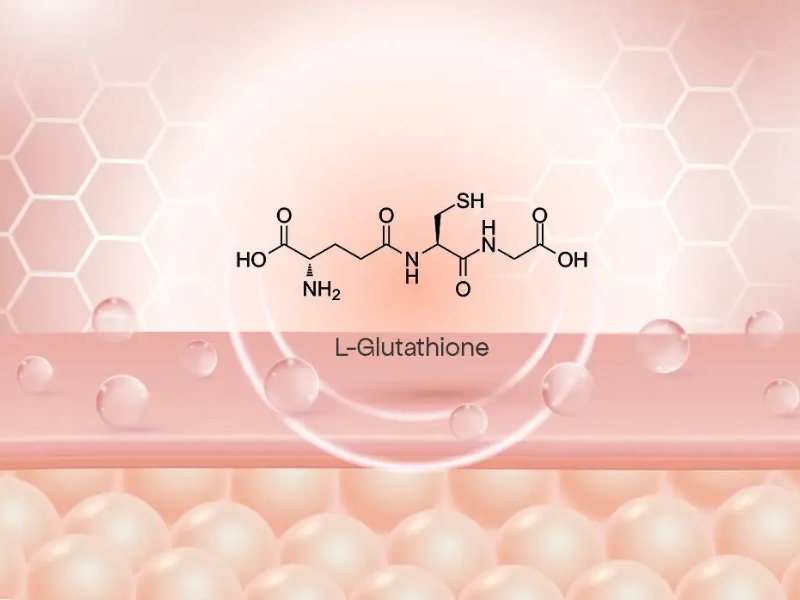
Glutathione (GSH) is an endogenous tripeptide synthesized from three amino acids: L-cysteine, L-glutamate, and glycine. Unlike common vitamins, glutathione is present in almost all human cells, with the highest concentration found in the liver.
Known as a master antioxidant, glutathione plays a critical role in:
- Neutralizing free radicals generated by natural metabolism and environmental factors.
- Reactivating other antioxidants, such as vitamin C and vitamin E.
- Protecting mitochondria (the energy powerhouses of cells) from cellular damage.
Natural glutathione levels significantly decline due to aging, prolonged stress, environmental pollution, and poor lifestyle habits. When GSH is depleted, the body falls into a state of oxidative stress, leading to a cascade of aches, pains, and chronic fatigue.
Relieving tension headaches with glutathione
Why does an antioxidant possess pain-relieving capabilities? The answer lies in its specialized detoxification mechanisms, which occur in two distinct phases within the liver:
Phase II detoxification – The conjugation process
Glutathione is the core component of phase II liver detoxification. It directly binds to fat-soluble toxins (such as heavy metals, chemicals, and harmful free radicals), converting them into water-soluble compounds that can be safely excreted through urine or bile.
For tension headaches, clearing these neurotoxins and reducing inflammation in cerebral blood vessels helps soothe headaches triggered by chronic stress or environmental toxicity.
A study published in Chemical Research in Toxicology (2015) demonstrated that:
- The glutathione-S-transferase (GST) enzyme family catalyzes more than 90% of glutathione conjugation reactions with electrophilic toxins.
- A deficiency in GSH reduces the liver’s cellular detoxification capacity by 40% to 80%, depending on the severity of the depletion.
Regulating energy metabolism and limiting lactic acid accumulation
Muscle tightness and soreness are often caused by the accumulation of lactic acid after physical exertion, or by oxidative stress damaging muscle cell membranes. Glutathione neutralizes free radicals right at the muscle tissue level, accelerating the repair of damaged muscle fibers.
According to Aoi et al. (2015), glutathione supplementation improves aerobic metabolism and supports the utilization of fat as an energy source during exercise. In a human trial, blood lactate levels post-exercise in the glutathione-supplemented group were significantly lower compared to the placebo group (2.9 mM versus 3.4 mM), indicating that glutathione can effectively reduce lactate buildup and alleviate muscle fatigue.

Enhancing blood flow and oxygen delivery
Glutathione protects vascular endothelial cells, allowing blood vessels to dilate and constrict more efficiently. When blood and oxygen flow smoothly to the brain and muscle groups, headaches caused by localized ischemia and muscle rigidity improve markedly.
A study published in Antioxidants & Redox Signaling (Vilahur et al., 2015) showed that increasing endogenous glutathione enhances endothelium-dependent vasodilation by approximately 25%. Simultaneously, it reduces oxidative stress within vascular walls and improves microcirculation.
Glutathione dosage guidelines
Glutathione supplementation should be personalized based on your specific health goals. According to clinical guidelines, daily dosages are generally categorized as follows:
- Health maintenance & Anti-aging: 250 mg – 500 mg per day.
- Detoxification support & Mild headache/muscle relief: 500 mg – 1,000 mg per day.
- Severe toxicity or acute fatigue: Up to 1,500 mg – 2,000 mg per day, administered under strict medical supervision.
Note: Glutathione should ideally be combined with vitamin C to enhance absorption rates and maintain active GSH levels in the bloodstream.

Oral vs. IV glutathione: Which is better?
Glutathione can be administered orally or intravenously. However, each method differs significantly regarding absorption rates, onset of action, and systemic dosage control. Choosing the right method depends on whether your goal is rapid detoxification, quick pain relief, or long-term antioxidant maintenance.
Here is a detailed comparison between the two methods:
| Criteria | Oral supplementation | Intravenous (IV) drip |
| Absorption rate | 10% – 30% (partially destroyed by stomach acids) | 100% (delivered directly into the bloodstream) |
| Onset of action | Slow, requires 2 – 4 weeks for noticeable results | Rapid, benefits can be felt after 1 – 2 sessions |
| Dosage control | Difficult to measure exact absorption; prone to under-dosing | Precisely controlled and administered based on medical needs |
| Cost | Lower | Higher |
| Convenience | Easy self-administration at home | Requires visiting a reputable medical clinic |
| Headache & muscle relief | Moderate | Highest efficiency |
| Detoxification power | Moderate | Powerful and systemic |
Oral glutathione suffers from reduced bioavailability due to the digestive process, whereas a glutathione IV drip for detox bypasses the gut completely to deliver active ingredients straight into the bloodstream, maximizing bioavailability. For those needing rapid recovery – such as individuals suffering from persistent tension headaches, muscle stiffness, or chronic stress-induced fatigue -IV micronutrient therapies are a preferred choice to optimize therapeutic outcomes.
Cellular detox and metabolic recovery IV drip featuring glutathione
If you are looking for an advanced medical solution to address chronic headaches, muscle tension, and systemic toxic overload, the Myers’ Cocktail IV Drip at Drip Hydration is an excellent option.
In this specialized IV formulation, glutathione does not act alone but works within a powerful synergistic blend:
- Glutathione: Supports full-body detoxification, neutralizes free radicals, reduces oxidative stress, and helps alleviate headaches and muscle aches.
- Vitamin B complex: Powers cellular energy metabolism, supports central nervous system stability, and reduces chronic fatigue.
- Vitamin B12: Aids in red blood cell production, enhances neurotransmitter function, and combats systemic weakness.
- Vitamin C: Boosts immune function, provides potent antioxidant defense, protects cells, and accelerates tissue repair.
- Magnesium (Mg): Promotes muscle relaxation, eases muscle spasms, stabilizes neurological activity, and improves sleep quality.
Through this coordinated delivery of essential micronutrients, the IV drip does not merely mask symptoms like tension headaches and muscle tightness. Instead, it targets the root mechanisms of cellular metabolism, empowering your body to detoxify itself, rebuild energy reserves, and elevate overall wellness from within.
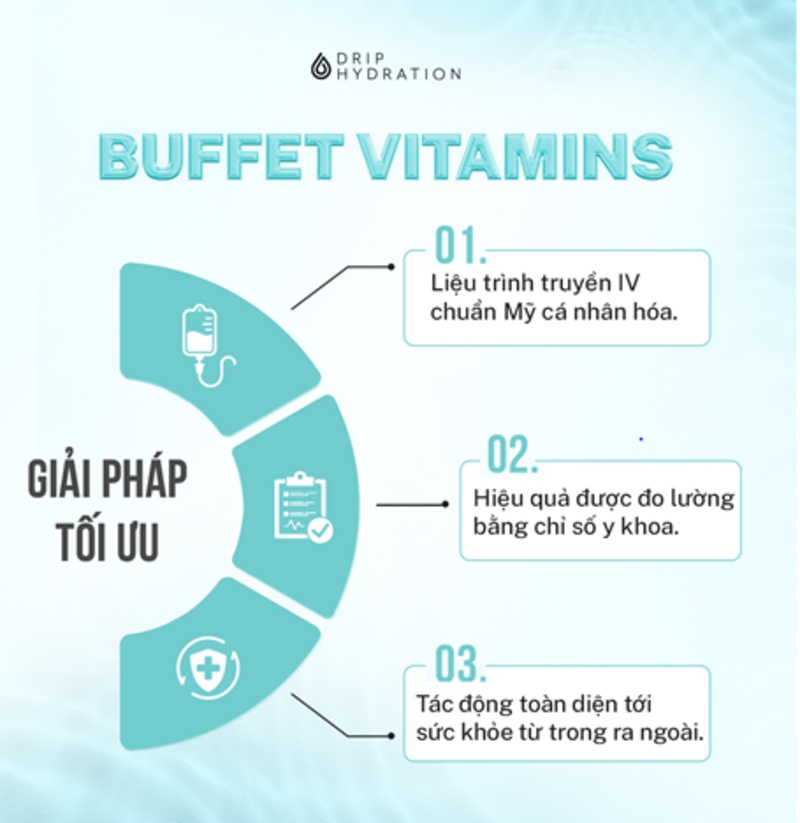
At Drip Hydration Clinic, our Detoxification – Myer’s Cocktail therapy is customized into personalized protocols utilizing American-standard IV drip technologies. The entire process is conducted and monitored by specialized physicians (including pre-drip medical evaluations and continuous vital checks during the session) to ensure maximum safety and clinical efficacy for every client.

Relieving tension headaches and muscle tightness with glutathione is more than just a short-term quick fix; it is an essential part of a long-term strategy for cellular recovery and metabolic balance. To consult with our medical team and design an IV micronutrient protocol tailored to your physical health, contact our hotline at 090 1885 088 or book your appointment here for personalized medical counseling.
References
- https://pubmed.ncbi.nlm.nih.gov/25650503/
- https://pubmed.ncbi.nlm.nih.gov/25563455/
- https://pubmed.ncbi.nlm.nih.gov/25685110/
Bài viết của: Biên tập viên Drip Hydration